
Walking Safely on Wet and Muddy Country Paths
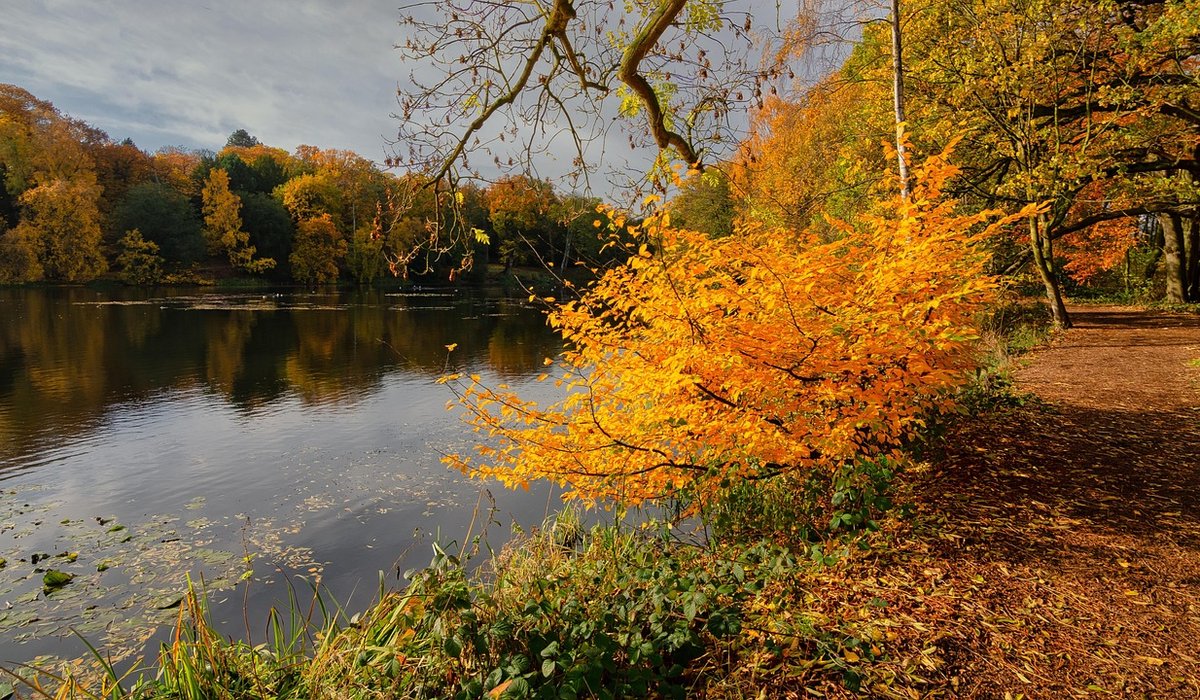
Autumn is a glorious time to pull on your boots and explore the British countryside. The crowds have thinned, the colours are spectacular, and there is a crispness in the air that makes every step feel like a small adventure. But the season also brings rain, fallen leaves, and deep, claggy mud. A pleasant ramble can quickly turn into a slippery, chilly affair if you are not prepared. The good news is that a few sensible habits will keep you safe, comfortable, and smiling all the way back to the car.
Check the Forecast and Plan for the Worst
Before you leave the house, look at the weather forecast — not just for the morning, but for the whole day. Autumn weather can change within an hour. Pay attention to rainfall radar, wind speed, and the time of sunset. A path that is firm in dry weather can become a quagmire after a night of rain, and low-lying fields may flood. Choose a route that suits the conditions. Steep, rocky descents are far more treacherous when wet, so save those for a dry spell. Tell someone where you are going and when you expect to be back. Take a paper map and a compass as well as your phone; signal can vanish in wooded valleys. Remember that daylight fades quickly in October and November, so start earlier than you think you need to.
Footwear Is Your First Line of Defence
Nothing ruins a muddy walk faster than cold, wet feet and a lack of grip. Your footwear is the single most important piece of kit. Look for boots or shoes with a deep, aggressive tread pattern — the kind that sheds mud rather than clogging up. Ankle support helps on uneven ground, especially when you are carrying a rucksack. Waterproof walking boots are ideal for most paths, but for genuinely deep, slurping mud, a pair of wellington boots with a good tread is hard to beat. Avoid smooth-soled trainers or fashion boots; they offer almost no traction on wet grass or slick clay. Wear wool or synthetic socks, never cotton, which holds water and chills your feet. Lace your boots firmly to prevent rubbing, and consider a pair of gaiters to keep mud and twigs out of your socks. Pack a spare pair of socks in a dry bag — you will thank yourself later.
Dress for Changeable Weather
Layering is the secret to comfort on an autumn ramble. Start with a moisture-wicking base layer, add a warm mid-layer such as a fleece, and finish with a waterproof and windproof outer shell. Avoid cotton next to your skin; once it gets damp, it stays damp and draws heat away from your body. A lightweight waterproof jacket and trousers take up little room in your rucksack but can transform a soggy walk into a pleasant one. Carry a spare fleece, a hat, and gloves, even if the sun is shining when you set out. A vacuum flask of hot tea or soup is a wonderful morale booster on a chilly bench. Pop your spare layers in a dry bag so they stay warm and dry.
Move Carefully on Slippery Ground
Technique matters as much as kit. On wet leaves, mud, or mossy stone, shorten your stride and keep your centre of gravity low. Walk softly and deliberately, testing each step before you commit your full weight. Trekking poles are invaluable — they give you two extra points of contact and take pressure off your knees on descents. Where possible, step on rocks, roots, or tussocks of grass rather than smooth, wet mud. Wet wooden boardwalks and bridges can be lethally slippery, so cross them slowly and hold the handrail if there is one. When you meet a muddy patch, it is often safer to walk straight through the middle if it is shallow, rather than skirting the edge and widening the path. Cross streams on stable stones, and use stiles and kissing gates with care — they are often muddy and slippery. Take your time, and do not be afraid to turn back if conditions worsen.
Pack Sensible Essentials
A well-packed rucksack makes a wet walk far more enjoyable. Alongside your waterproofs and spare layers, carry:
- Water and a hot drink in a flask.
- High-energy snacks such as nuts, oatcakes, or chocolate.
- A paper map and compass, plus a fully charged phone and a power bank.
- A small first aid kit with plasters, blister patches, and any personal medication.
- A torch or head torch with spare batteries — dusk arrives early.
- A whistle and an emergency foil blanket.
- A small towel and a bag for muddy boots.
Keep everything in resealable bags so that a sudden downpour does not soak your spare clothes or electronics.
After the Walk: Care for Yourself and Your Kit
Once you are back home or at the car, change out of wet clothes promptly. Damp clothing cools you down quickly, and a warm shower will help you avoid a chill. Check yourself for ticks, especially in grassy or wooded areas; remove any you find with fine-tipped tweezers. Clean your boots with cool water and a soft brush, then let them dry naturally away from direct heat, which can crack the leather or damage waterproof membranes. Remove the insoles and stuff the boots with newspaper to absorb moisture. Wash your waterproofs according to the manufacturer's instructions to keep them performing. Finally, restock your rucksack so it is ready for the next spur-of-the-moment ramble. With the right footwear, a sensible layer system, and a few careful habits, you can stride out confidently on even the muddiest autumn path — and come home with rosy cheeks and a happy heart.


Layer warm throws, soft lighting and natural textures to make your main living space feel inviting throughout the cooler months.
From clearing fallen leaves to planting spring bulbs, these timely tasks help your outdoor space thrive after summer ends.
Roast seasonal squash with garlic and herbs, then blend into a warming bowl that suits busy evenings and casual entertaining.
Gather dried stems, seed heads and garden clippings to create a welcoming wreath that celebrates the changing season.