
From Slots to Poker: A Realistic Guide to Winning in iGaming
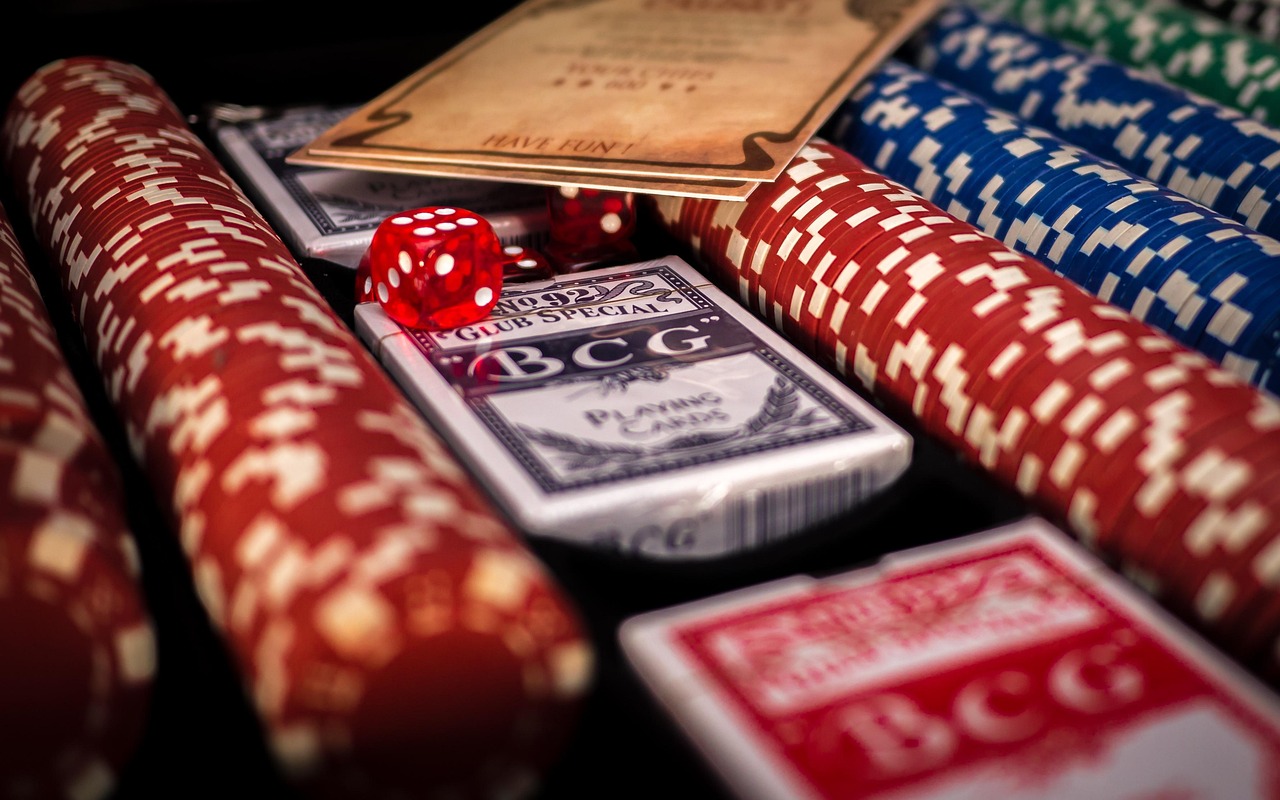
You've probably seen the flashy ads: a guy in a suit lounging on a yacht, claiming he cracked the code to online slots. Or a poker “coach” on YouTube showing a hand where he bluffs with 7-2 offsuit and wins a massive pot. It’s easy to get swept up in the hype. But here’s the uncomfortable truth: most iGaming content is designed to separate you from your money, not help you keep it. So let’s cut through the noise. This isn’t a get-rich-quick scheme. It’s a grounded look at how casino games, sports betting, slots, and poker actually work—and where the real edges (if any) exist.
The House Edge: The One Number That Rules Everything
Every casino game has a built-in advantage for the operator. That’s the house edge, and it’s the single most important concept to understand. It’s not a conspiracy; it’s a business model. If you don’t know the edge, you’re playing blind.
Here’s a quick reality check on common games:
- Blackjack (basic strategy): 0.5% – 1% house edge. This is one of the best bets in the casino, but only if you play perfectly.
- European Roulette: 2.7%. American Roulette (with the double zero) jumps to 5.26%. That single extra pocket doubles the edge.
- Slots: Typically 2% – 15%, depending on the machine. Online slots often sit around 4% – 6%, but progressive jackpots can be worse.
- Sports Betting: The vig (or juice) is usually 4% – 5% on a standard -110 line. That means you need to win 52.4% of your bets just to break even.
- Poker (cash games): The rake is the house edge, often 5% up to a cap. Against other players, not the house, your edge comes from skill.
Notice the outlier? Poker. That’s because in poker, you’re not playing against the casino—you’re playing against other people. The house just takes a cut. That’s why poker is the only game on this list where a skilled player can consistently profit. But “skilled” is doing a lot of heavy lifting there.
Slots: Entertainment, Not an Investment
Let’s be blunt: slots are not a strategy game. The outcome of every spin is determined by a random number generator (RNG). There is no “due” machine, no hot or cold streak, no pattern you can exploit. If you think you see a pattern, you’re experiencing apophenia—the same brain glitch that makes you see faces in clouds.
That said, not all slots are created equal. If you’re going to play, you can at least be smart about it.
- Check the RTP (Return to Player). Online slots list this in the info screen. A 96% RTP means the game pays back $96 for every $100 wagered over millions of spins. Choose 96%+ when possible. Anything below 94% is a ripoff.
- Volatility matters. High-volatility slots pay rarely but can be huge. Low-volatility slots pay often but small. Match volatility to your bankroll. If you have $50, a low-volatility slot will give you more playtime. If you’re chasing a jackpot, high volatility is your only shot—but expect to lose your bankroll most sessions.
- Bonus features are not “due.” The RNG doesn’t care that you’ve spun 500 times without a bonus. The odds are the same on spin 501.
My advice: treat slots as pure entertainment, like a movie ticket or a night out. Set a loss limit before you start. If you hit a win, pocket a portion. Never chase losses. The math will grind you down eventually.
Poker: The Only Game Where You Can Actually Win Long-Term
Poker is a skill game disguised as gambling. That’s what makes it beautiful—and brutal. In the short term, luck dominates. In the long term, skill wins. But “long term” can mean 100,000 hands or more. Most players never get there.
If you want to take poker seriously, here’s a realistic roadmap: Readers looking for specifics may like สล็อตเว็บตรง.
- Learn preflop ranges. Stop playing trash hands like 8-3 offsuit from early position. Use a free chart for 6-max cash games. Tight is right when you’re starting.
- Master position. The button is the most profitable seat. Play more hands from late position, fewer from early. This isn’t a hack; it’s fundamental.
- Study bet sizing. A common beginner mistake is betting the same amount with every hand. Your sizing should tell a story and charge draws appropriately.
- Bankroll management. Never buy into a cash game with more than 5% of your total poker bankroll. For tournaments, 2% max. This prevents variance from wiping you out.
- Review your sessions. Use a tracker like PokerTracker or Hold’em Manager. Look for leaks. If you’re losing, it’s not bad luck—it’s bad decisions repeated.
One more thing: online poker is full of sharks. If you’re new, play micro-stakes ($0.01/$0.02) until you can beat it consistently over 20,000 hands. Then move up. Ego is expensive.
Sports Betting: Think Like an Investor, Not a Fan
Most sports bettors lose because they bet with their hearts. They parlay their favorite teams, chase live lines, and believe in “locks.” The bookmakers love these people.
To have any shot, you need to think like a sharp. That means:
- Line shopping. Different books offer different odds. A half-point difference in football can turn a loss into a win. Always compare before betting.
- Closing line value (CLV). If you consistently bet before the line moves in your favor, you’re likely a long-term winner. Books respect this and may limit you—that’s a badge of honor.
- Specialize. Don’t bet every sport. Pick one or two leagues and become an expert. Know the injuries, weather, travel schedules, and referee tendencies.
- Ignore parlays and prop bets. They have higher holds. Stick to straight bets or simple two-team teasers if you must.
Remember: even the best sports bettors win only 55% – 57% of their bets. That’s a thin margin. If you’re winning 60% long-term, you’re either a savant or lying.
Responsible Gambling: The Line You Must Not Cross
This isn’t a buzzword. It’s the difference between a hobby and a disaster. iGaming is designed to be immersive—lights, sounds, fast payouts, and endless availability. That’s a recipe for problem gambling if you’re not careful.
Set rules before you play:
- Time limits. Set an alarm. When it goes off, stop.
- Loss limits. Decide the maximum you’re willing to lose per session, week, or month. Stick to it.
- No chasing. If you lose, walk away. The next spin, hand, or bet is not more likely to win because you lost the last one.
- Don’t play drunk or emotional. This is when bad decisions happen.
If you feel you can’t stop, seek help. There are tools like self-exclusion, deposit limits, and organizations like Gamblers Anonymous. Use them. No win is worth your mental health.
The house always has an edge in casino games—except in poker, where you play against other humans. But even there, the edge is small and hard-won. Slots are entertainment, sports betting is a grind, and poker is a skill game that takes years to master. The smartest players don’t chase losses or believe in systems. They set limits, study the math, and treat iGaming as exactly what it is: a form of entertainment with a cost. If you can do that, you’ll be ahead of 90% of the crowd. And that’s a win in itself.


Roast seasonal squash with garlic and herbs, then blend into a warming bowl that suits busy evenings and casual entertaining.
Gather dried stems, seed heads and garden clippings to create a welcoming wreath that celebrates the changing season.
Sort cupboards, entryways and spare rooms now to create calm, useful spaces that make hosting and daily routines easier.
Plan simple warming food, safe sparkler stations and comfortable outdoor seating for a stress-free evening with friends and family.