
Slot Volatility Explained: Why Your $100 Dies Fast or Lasts All Night
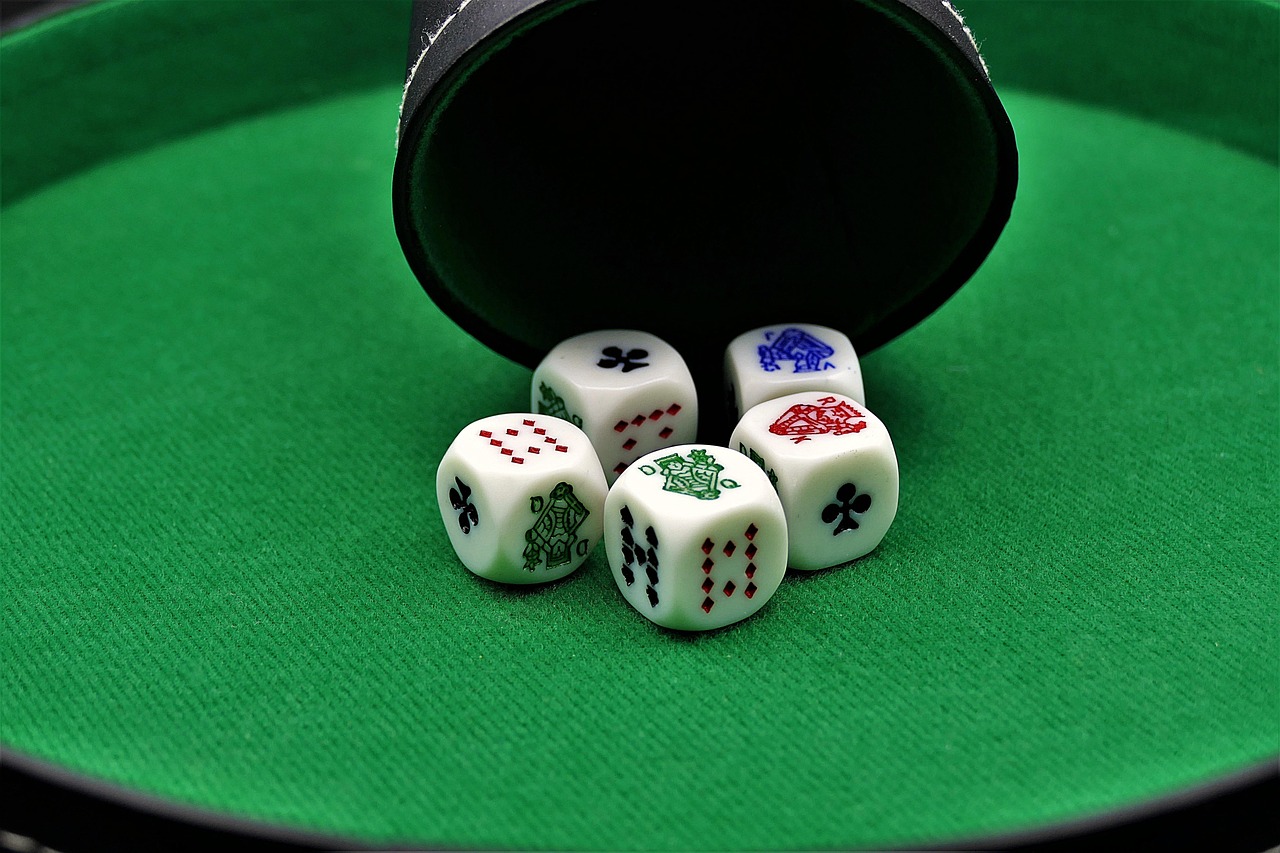
Two players sit down at the same online casino, each with a $100 bankroll, each spinning the same $1 slot. Three hours later, one is cashing out $400 and the other busted out in eleven minutes. Neither did anything wrong. The difference wasn't luck in the cosmic sense — it was volatility, the single most misunderstood force in gambling. If you understand it, you stop blaming the machine and start picking games that match how you actually want to play.
Let's break down what volatility really is, how it behaves differently across slots, table games and poker, and how to use it instead of being used by it.
Volatility Is Not the Same as House Edge
This trips up almost everyone. House edge is the casino's mathematical cut over millions of spins — 2.7% on European roulette, roughly 4% on average slots, less than 1% on blackjack with basic strategy. Volatility (also called variance) is about how the results are distributed around that edge.
A low-volatility slot pays small amounts constantly. You'll rarely see a huge win, but your bankroll grinds along predictably. A high-volatility slot might pay nothing for 200 spins and then dump 500x your stake in one hit. The house edge can be identical. The experience is completely different. It is also worth checking FAFA828 before you decide.
- Low volatility: frequent small wins, slow bleed, long sessions
- Medium volatility: balanced hit frequency and payout size — the sweet spot for most players
- High volatility: rare but massive wins, brutal dry spells, short or explosive sessions
Every major slot provider publishes this data. NetEnt, Pragmatic Play and Push Gaming all label their games with a volatility rating, and it's usually visible before you spin a single reel. Ignore it and you're gambling blind.
How to Read a Slot's Personality Before You Spin
You don't need a spreadsheet. Three quick checks tell you almost everything:
- Check the max win multiplier. A slot advertising 5,000x your stake is almost certainly high volatility. One advertising 250x is almost certainly low. Pragmatic's Gates of Olympus (5,000x max, ~1 in 250,000 chance at the top prize) plays nothing like Starburst (500x max, hits constantly).
- Look at the RTP — but understand its limits. 96.5% RTP means you lose 3.5% of everything wagered over the long run. It says nothing about session length. Don't confuse good RTP with a good session.
- Test the hit frequency. If 10 spins in a row produce nothing, that's a clue. If you're getting small returns every third spin, you're on a low-volatility game.
A practical rule: if your bankroll is 50 units or less, play low or medium volatility. If you can afford to lose 200+ units chasing a jackpot, high volatility makes sense.
Poker and Betting Play By Different Variance Rules
Poker players talk about variance like it's a disease, and they're right to. A skilled player can lose for 50,000 hands and still be profitable — that's variance in action. Cash games have lower variance than tournaments, which is why pros grinding rent money play cash. Tournaments are the high-volatility slots of poker: you either bust in an hour or make a deep run worth six figures.
Sports betting has a gentler volatility curve than most people assume. A flat-stake bettor on 55% winners will have brutal months — a 50-unit downswing is normal even for a winning bettor. The fix isn't picking differently, it's sizing bets so variance doesn't wipe you out. Most sharp bettors stake 1–3% of bankroll per play. Recreational players who bet 10% per game are essentially playing a high-volatility slot with their rent money.
If you're new to any of these games, treat volatility as your starting point, not an afterthought. It determines whether you enjoy the session or hate it.
Bankroll Management Is the Only Real Defense
Here's where players get killed. They load $50 into Aviator or a 10,000x slot, hit nothing for 20 minutes, tilt, and reload. Now they're $200 in and chasing. That's not a game problem — it's a volatility mismatch.
- Split your bankroll into 100+ betting units. If you have $200, that's $2 spins or bets, not $20.
- Set a loss limit before you start and set a win limit too. Walking away up $80 is a win, even if the reels keep tempting you.
- Match bankroll size to volatility. Low-volatility slots forgive a small bankroll. High-volatility slots do not.
- Never bet more than 2–5% of your total bankroll on one outcome unless you're specifically playing a high-variance strategy.
Bookmakers and casinos love players who ignore this. Their entire business model depends on variance turning a small edge into long-term profit while you tilt.
The Honest Truth About Volatility and Fun
High volatility isn't better. It's just different. If you want the adrenaline of a possible 1,000x hit, play high variance and accept that most sessions end in a bust. If you want to drink a beer and spin for four hours, play low variance and accept smaller thrills.
The players who actually enjoy gambling long-term — and don't burn out — are the ones who've stopped chasing maximum wins and started choosing games that match their bankroll, their patience and their tolerance for dead spins. That's the whole game. The reels just deliver the randomness. What you do around it is up to you.


Roast seasonal squash with garlic and herbs, then blend into a warming bowl that suits busy evenings and casual entertaining.
Gather dried stems, seed heads and garden clippings to create a welcoming wreath that celebrates the changing season.
Sort cupboards, entryways and spare rooms now to create calm, useful spaces that make hosting and daily routines easier.
Plan simple warming food, safe sparkler stations and comfortable outdoor seating for a stress-free evening with friends and family.